
TONGYONG & Rapid Prototyping
Rapid CNC Machining, Injection Molding, and 3D Printing Services.
Start A Rapid Prototyping Quote
What is
Rapid Prototyping
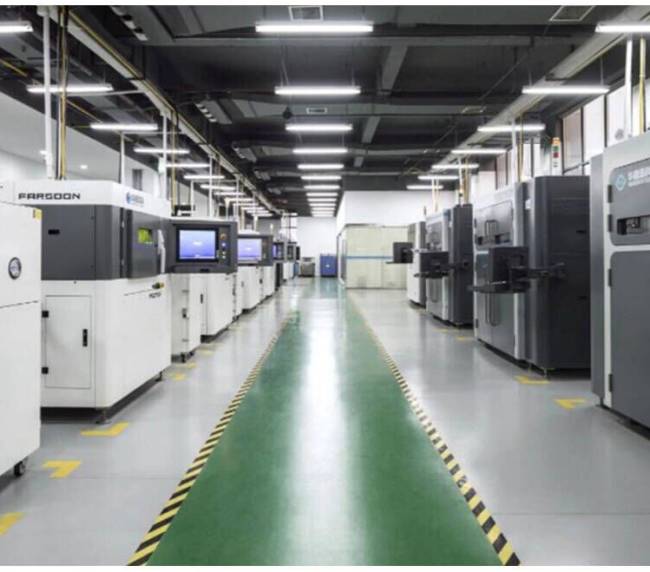
Rapid prototyping technology quickly converts early design concepts into physical models, providing a fast and cost-effective way to turn ideas into reality. This approach is particularly effective through technologies like 3D printing and CNC machining, typically delivering prototypes within one week.
Choosing the right prototyping method is crucial for accelerating the design process and reducing the financial and operational risks associated with new product development. It enables comprehensive testing and refinement of designs, ensuring each iteration improves upon the last. This process is essential for making informed decisions early in the development cycle, minimizing the risk of costly changes later on.
Our Rapid Prototyping
Services
Rapid CNC Prototyping Services
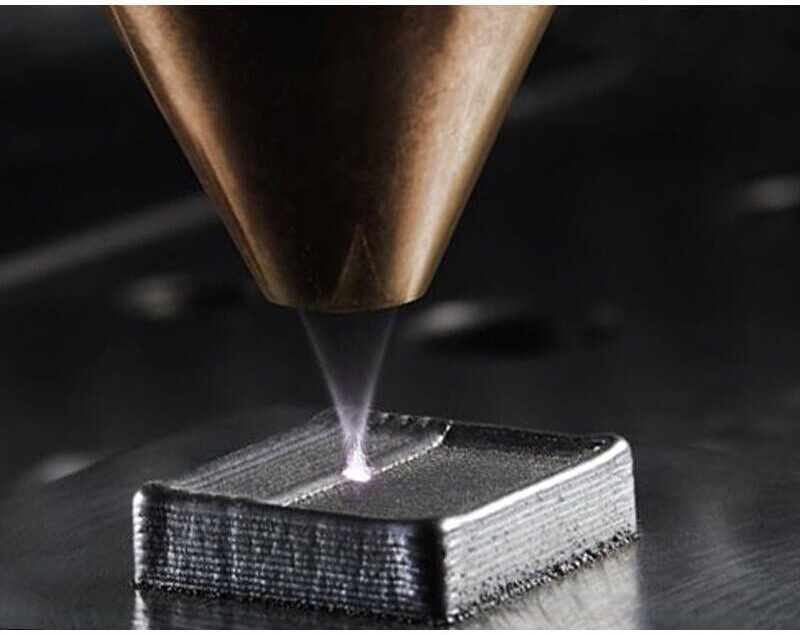
CNC machining (including CNC milling and CNC turning) is an excellent choice for rapid prototyping when parts need to be evaluated in their final material form. This method allows for the production of prototypes using fully dense stock, providing accurate and durable models. TONGYONG specializes in machining a wide variety of metals and plastics, ensuring the versatility to meet your project requirements. Our rapid CNC prototyping services deliver high-quality machined prototypes quickly.
Choosing TONGYONG to meet your CNC prototyping needs means you will benefit from our expertise and commitment to precision. We offer various expedited options to ensure urgent projects are completed on time. Our market-based pricing model ensures reasonable prices without compromising quality. With TONGYONG, you will receive detailed and accurate prototypes that support rapid product development, from initial design to final production.
Maximum Part Size:
CNC Milling Machine: 4000 × 1500 × 600 mm
CNC Turning Machine: 200 × 500 mm
Tolerance: 0.001 inches
Rapid Prototyping Injection Services
Injection molding is the preferred method for prototyping when you need highly durable and consistent parts for extensive testing. This approach is ideal for high-fidelity product evaluation and creating temporary bridging tools during product launches.
When your project requires strict material properties or specific mechanical requirements that cannot be achieved with other methods, choosing injection molding over 3D printing or CNC machining can be highly beneficial. TONGYONG excels in this regard, delivering prototypes with high repeatability and shapes very close to the final product. Our expertise ensures you receive reliable and precise prototypes, which contribute to effective product development and testing.
Maximum Part Size: 1200 × 1000 × 500 mm
Cavity Tolerance: +/- 0.05 mm
Rapid 3D Prototyping Services
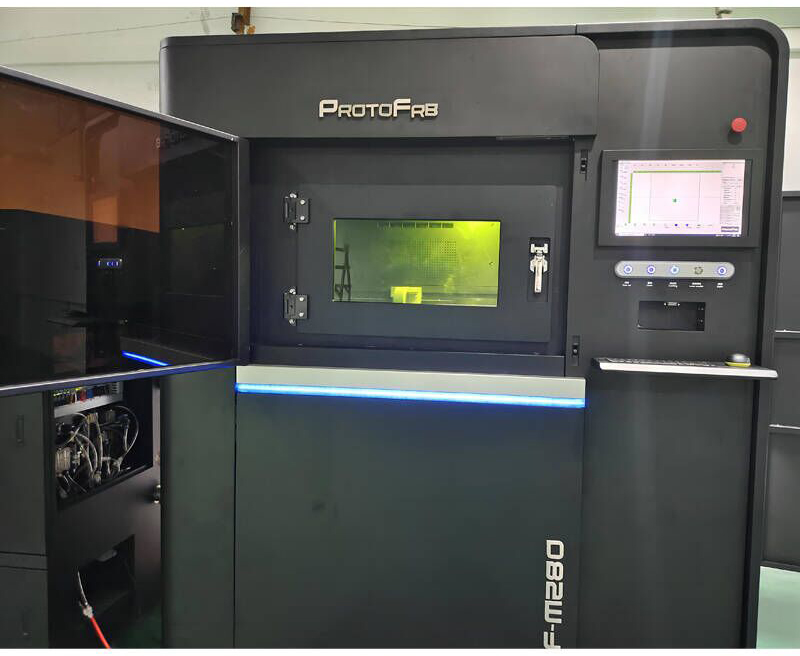
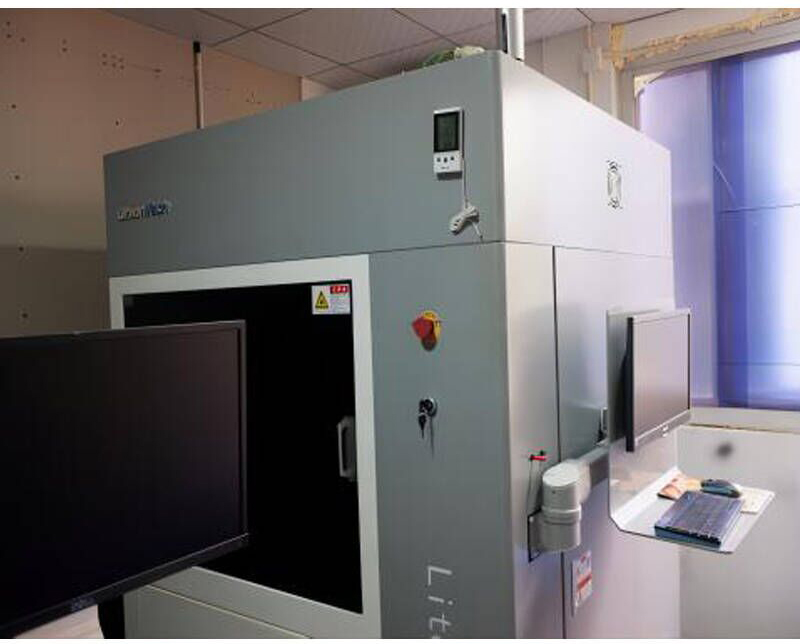
3D printing has emerged as a leading method for rapid prototyping due to its speed and cost-effectiveness. This technology enables the creation of prototypes quickly and economically. The main 3D printing methods for rapid prototyping include Selective Laser Sintering (SLS), Stereolithography (SLA), and Fused Deposition Modeling (FDM).
SLS is versatile, striking a balance between speed, mechanical functionality, fine resolution, and affordability. SLA offers the finest surface finish and excellent precision, making it ideal for manufacturing transparent parts with tight tolerances. FDM is well-suited for producing larger parts using a variety of engineering thermoplastics such as ABS, PC, and ULTEM, capable of manufacturing items up to 36 inches in one go.
Maximum Part Size: 1400 × 700 × 500 mm
Dimensional Tolerance: ±0.2 mm (0.15% for >100 mm)
How to Choose the Right Rapid Prototyping Technology
Choosing the right rapid prototyping technology is a crucial first step to ensure the success of your product development project
Here are the key factors to help you make the best choice
1. Understand Your Prototyping Goals
First, clarify your prototyping goals. Do you need a functional prototype to test assembly? Or a cosmetic prototype to show to clients? Or a highly realistic functional prototype for wind tunnel testing? Different goals will determine the most suitable technology
2. Evaluate Your Material Requirements
Consider the materials you need your prototype to use. Are you looking for the exact same material as the final product (such as metal or engineering plastic), or are you willing to accept photosensitive resin for 3D printing? Choosing a technology that matches the material of your final product will provide the most accurate test results
3. Consider Part Size and Complexity
Part size and complexity are crucial when choosing a technology. For small, complex parts, SLA or SLS may be the best choice. For larger parts, FDM or injection molding may be more suitable
4. Weigh Speed vs. Cost
Different technologies vary in speed and cost. 3D printing is generally faster and more cost-effective than injection molding, making it suitable for rapid iteration. However, if you need the look and functionality of the final production, injection molding may be a better long-term investment
5. Determine Tolerance Requirements
How precise does your prototype need to be? Different technologies have different tolerance capabilities. For example, SLA and CNC machining can achieve very high tolerances, while FDM has relatively lower tolerances
6. Understand Surface Finish Requirements
How important is the surface finish of your prototype to your project? SLA provides the smoothest surface, while FDM will have noticeable layer lines
7. Consider Mass Production Needs
Do you plan to use the prototype for mass production? If so, injection molding is the ideal choice to convert the prototype into the final product
8. Evaluate Your Timeline
How tight is your project timeline? Rapid prototyping technologies can deliver prototypes in a few days to a few weeks, while injection molding requires mold manufacturing time
Why Choose Us ?
Quality Parts
TONGYONG adopts advanced materials and precision technology, adhering to strict industry standards to ensure first-class prototype quality.
Fast Lead Time
Our efficient processes enable rapid prototype delivery, significantly reducing development time and accelerating time-to-market.
Engineering Support
TONGYONG provides extensive engineering support to assist with design optimization and technical challenges to improve prototype development.
We Support From Prototyping to Production
Rapid Prototyping
Rapid prototyping can be produced quickly for immediate testing, feedback, and iteration, thereby accelerating the development process.
Design & Engineering Validation
Our prototyping services validate the design and engineering specifications to ensure functionality and performance before mass production.
Mass Production
The transition from prototype approval to mass production is streamlined to maintain quality and effectively meet production deadlines.